
The Complete Guide to Vintage Video Game Collecting
Rarity is production and survival, not nostalgia. A framework for NES, Zelda variants, and the systems the market still prices late.
Video game collecting has grown from a garage-sale hobby into a data-driven market with six and seven-figure sales — but most people entering it are working off nostalgia and marketing hype instead of real market fundamentals. This guide breaks down the core principles that actually drive value, with deep dives into the specifics linked throughout.
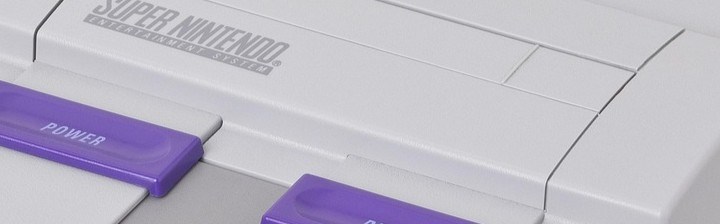
Hardware close-up from the Rarity Ledger marketing set. The same research habits apply across NES, SNES, and later systems.
Why Vintage Games Became a Real Asset Class
The shift happened in stages: nostalgia gave the market its first wave of buyers, scarcity gave certain titles staying power, and third-party grading (WATA, VGA, CGC) gave the whole category the objective authentication it needed to attract serious money. Once games could be graded on a defined scale the way coins and cards are, they stopped being flea-market items and started being assets people research before buying.
That shift is why a single console generation — the NES — is still the center of gravity for the entire hobby. The Collector's Guide to Vintage NES Games walks through the four factors that built this market: print-run scarcity, condition/grading tiers, variant differences, and cultural "holy grail" status.
The One Question Every Buyer Should Ask First: Is This Actually Rare?
"Rare" is the most misused word in every listing title. Age doesn't create rarity — production numbers and survival rates do. A 40-year-old game that sold millions of copies is not rare just because it's old, and a 15-year-old game with a small print run and poor survival rate can be genuinely scarce.
What actually makes a video game rare comes down to five real factors — print run size, survival rate, condition tier at scale, regional exclusivity, and variant/print differences — and four things that don't matter nearly as much as sellers claim (age, critical acclaim, listing language, and single outlier sales).
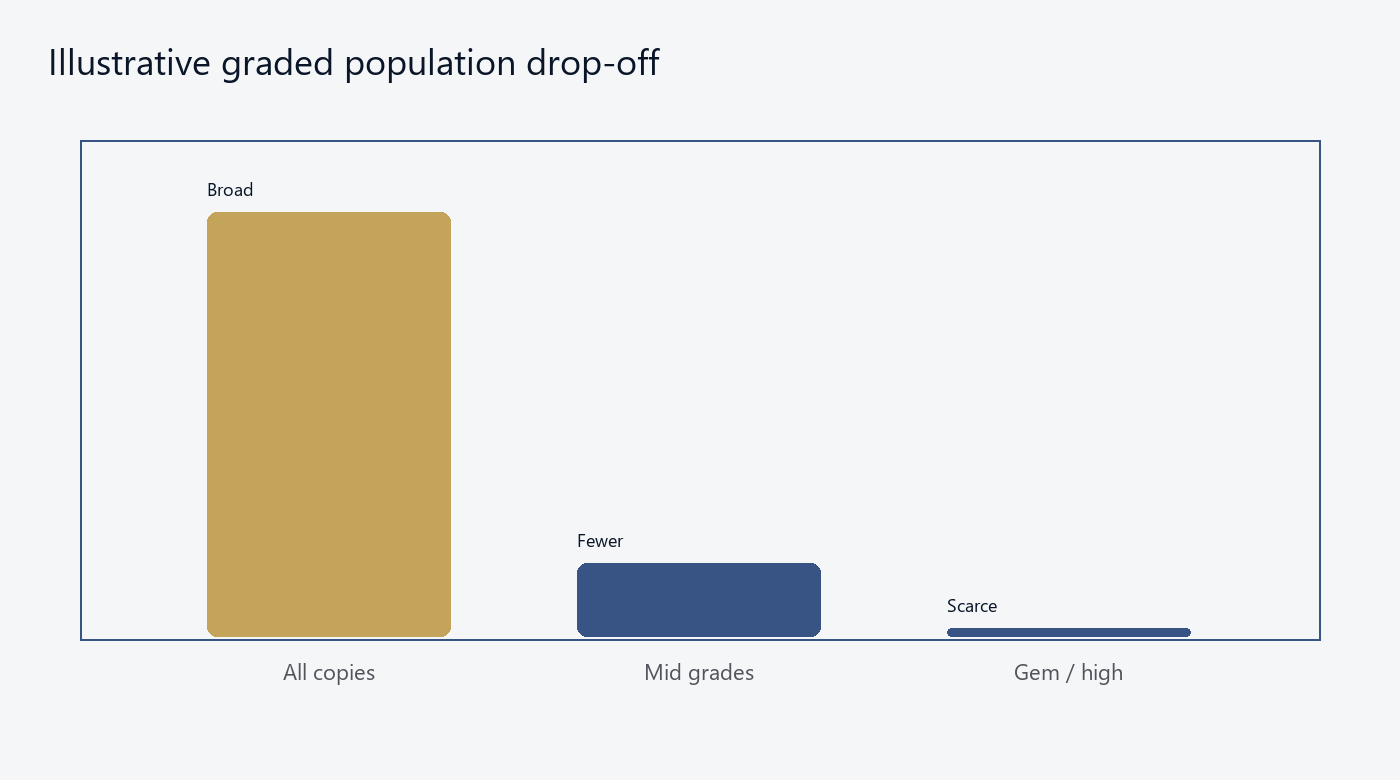
Illustrative population shape: most copies sit in the broad base, and the high-grade tail is thin. Check the report for the title you hold.
Why Identical-Looking Copies Sell for Wildly Different Prices
Once you understand rarity as a data problem, the next layer is variant identification — because two copies of the same game, same title, same box art, can sit on completely different value tiers based on details invisible at a glance.
The Known Variants of The Legend of Zelda is the clearest case study in the hobby. On the NES release, seal type (Circle SOQ vs. Oval TM vs. Oval R), screw count, REV-A markings, and whether box, cartridge, and manual match all separate a few-thousand-dollar copy from a $384,000 one. The same variant-hunting discipline applies across the NES library — it's just rarely this well documented.
Character and Franchise Value Isn't Uniform Across Eras
A common mistake: assuming a beloved character or franchise carries the same value across every release. It doesn't. Mario is the best example in the entire hobby — a character with nearly 45 years of material spanning arcade cabinets, NES cartridges, amiibo figures, and modern Switch releases, where value diverges sharply by era based on print run size and surviving population, not fame. Super Mario Bros. and Super Mario Bros. 3 are different catalog items. Fame does not make them one price.
Scarcity concentrates in specific production windows. Fame is not a substitute for a population report.
Where the Market Hasn't Caught Up Yet
Everything above explains how to evaluate value on titles collectors are already watching closely — NES, Mario, Zelda. But the same fundamentals (small print runs, low survival rates, undervalued libraries) exist on systems most collectors haven't priced correctly yet.
Sega Saturn, Neo Geo AES, and TurboGrafx-16/PC Engine are three consoles where the scarcity signature already matches high-value collectibles, but collector awareness hasn't caught up to the data yet. Identify the exact release before you treat a listing's "rare" as a fact. On Rarity Ledger that means a catalog match you confirm, then auction lots joined to that ID — the same check used for an NES cart. Buy It Now prices on auction sites, including eBay, stay in the estimate. Retail and dealer shop prices do not.
The Framework, Summarized
Across every category — NES cartridges, Zelda variants, Mario merchandise, overlooked consoles — the same due diligence applies before you buy or sell:
- Confirm the exact variant, not just the title
- Check population data for that specific grade tier, not the game as a whole
- Compare sale history across multiple auction houses over time, not one listing
- Separate genuine scarcity (production + survival) from marketing language
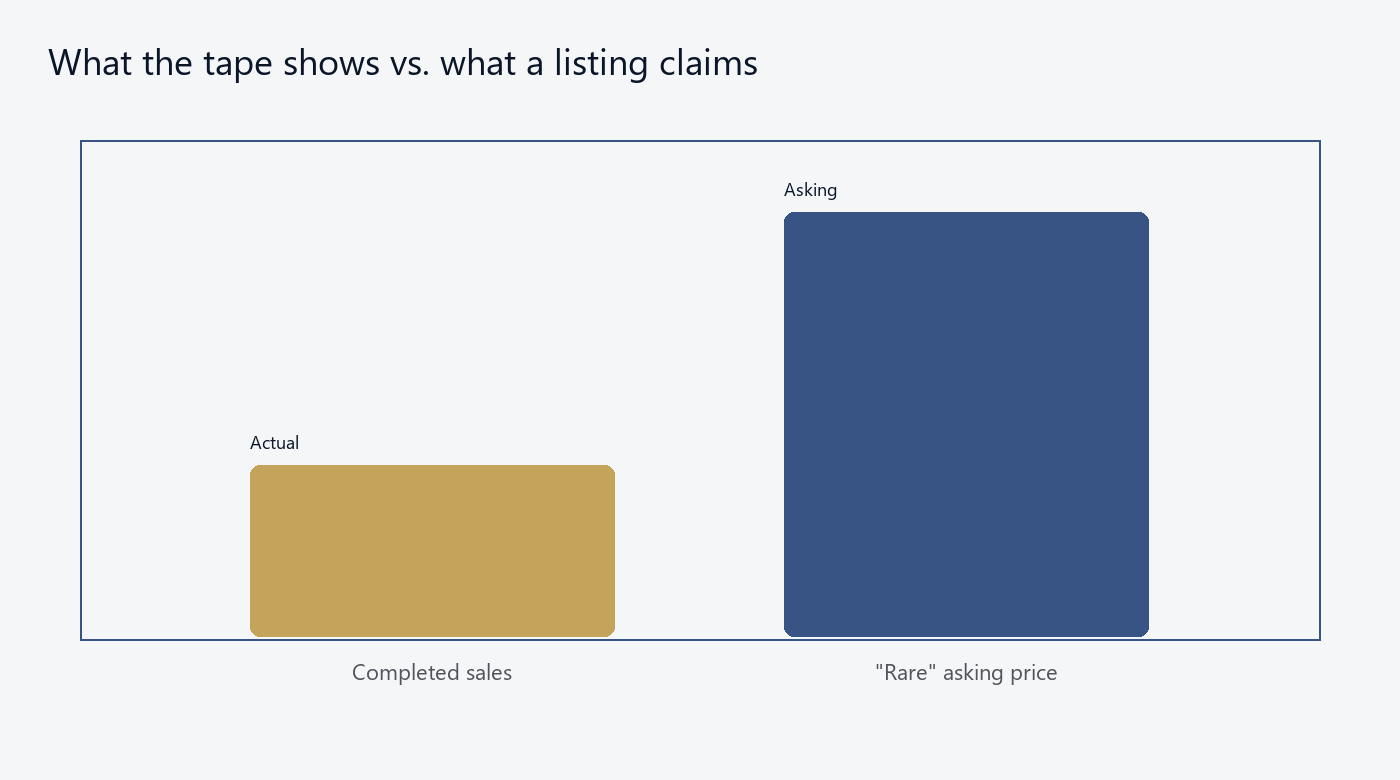
Asking language is not the tape. Completed sales are.
The collectors who consistently make good decisions in this hobby aren't the ones with the deepest nostalgia — they're the ones checking the data before they check their emotions.
Image credits
The SNES photograph is from the Rarity Ledger marketing set. Charts are original to Rarity Ledger.